
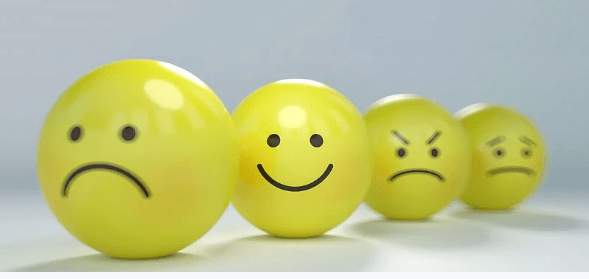
Fear, Concern, Sadness, Frustration, Worry, Apathy, Exhaustion, If this just about sums up the rollercoaster of emotions you go through on a typical day during Covid lockdown, week 101, we promise you are not the only one.
Today, we are going to introduce you to a powerful tool that might help you respond differently to these intense emotions; a tool for managing the ups and downs, so that you no longer feel you are at the mercy of every news story—

This method for responding to painful emotions is a bit like building up a new muscle, an emotional muscle, that increases your flexibility in first confronting your emotions, then making space for them, and lastly moving through them.
In our culture today, there is a common assumption we need to do something when we feel inner distress. Fix it, control it, distract from it, exert brute force over it —SOMETHING! It is a paradox, but if we learn to stay with the feelings: the sadness, or the rage, or the fear: breathe into them, allowing the feelings to intensify and wane, learn their contours without racing for the exits, and meet our distress with some kindness, it will pass.
What if the way to heal and grow, was actually moving through our feelings and not around them?
Famed psychiatrist and philosopher Carl Jung contended that “what you resist not only persists, but will grow in size.”
The opposite of resisting, is to turn towards a situation, and accept that this is really how it is right now. Acceptance does not require that we like what we are accepting, b. But asks for you to say, ‘Yes I don’t like it, and this is the way it is right now.’. Acceptance is about creating space—, bit by tiny bit—, for the your emotions.
You might understandably bristle at the this idea. It is important to distinguish that acceptance is not complacency about your life situation or circumstances. It is different from resignation – and does not meant that we stop trying to change a situation., but the observing and acknowledging your emotional reaction to the situation is can be wiser and healthier
This method of responding to painful emotions is like building up a new muscle, an emotional muscle, that increases your flexibility in: 1) becoming more aware of your emotions, ‘Oh yes, that is how sadness feels in my body,’ or ‘Oh, that tightness in my jaw and chest, that is anger; and 2) learning to make space, to tolerate, to honor these feelings. With practice, it can become a fine-tuned muscle – that knows when to allow and let go into a feeling, when to expand, when to stay with it, when to retract.
The more you run away from distress;, — distract, avoid, channel it into blaming yourself or others or anger;, the more it will grows. You may get some temporary relief, and be tricked yourself into thinking that distraction works. But there is a backlash effect, and next time you are triggered—, the next insensitive remark, rejection, criticism —, a the tidal surge of grief, hurt, anger, sadness will flood over you. Your bad feelings have a way of continuing to knock on your door, asking that they to be attended to. If you refuse to respond to them, they will find other, more pernicious ways of getting your attention.
Allowing, tolerating, and extending kindness towards difficult feelings is paradoxically, the pathway to healing and releasing to painful emotions.
 Ciara Byrne, PhD