So does poor sleep affect mental health?
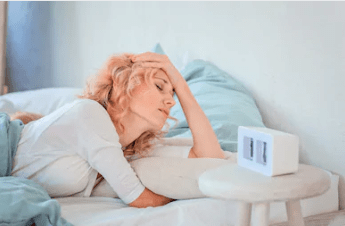
We know poor sleep compromises decision making and concentration, impairs immune functioning and, makes us feel downright miserable. To improve our mental health we need to give our body the chance to rest.
5 Habits for Dreamy Sleep:
Changing habits is really hard to do. Especially in the midst of global pandemic, when just getting through the day can feel hard. We rank ordered our advice for sleeping, so if you’re willing to change just a few things, these sleep tips will give you the best bang for your buck.
1: Keep the same sleep and wake time.
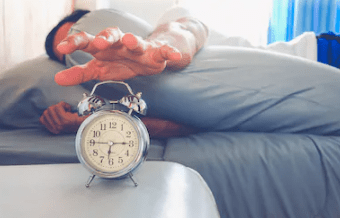
This one is especially hard in the midst of a pandemic when keeping any kind of schedule is difficult. With a more fluid wake up time, it is easy to slide into another episode of Netflix. For optimal sleep try to go to bed and get up within a 30 minute window, every day, even on weekends. Your body will thank you. Research supports that inconsistent bedtimes increases the risk for a number of health issues, including high blood pressure, diabetes, and stroke (5). A recent study from Harvard University revealed that people with very inconsistent sleep schedule (over a 90 minute gap between sleep times), doubled their risk of cardiovascular disease within the next five years. (6)
2: Create a buffer zone between coffee and sleep.
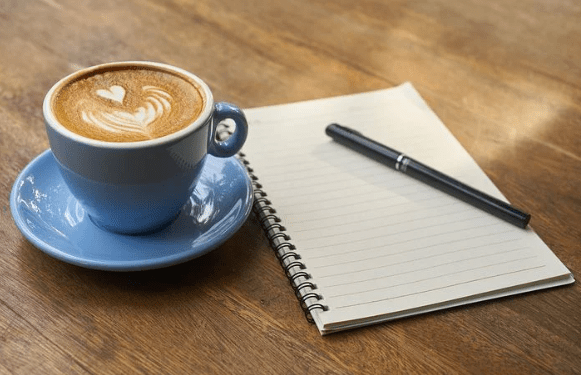
Aim to have your last coffee before 2pm, and switch to decaf tea for the rest of the day, as it can otherwise negatively affect your sleep. Research revealed that consuming caffeine six hours before bed still impacted sleep – even if participants no longer felt the effects of the caffeine (7).
3: Respect the amount of sleep your body needs.
It’s your job to listen to your own body. Figure out how many hours of sleep leaves you feeling rested, and put aside that many hours. Your mental and physical health will thank you for it.
TIP 4: Get outdoors.
Aim for an hour (ideally more) in sunlight each day. Exposure to sunlight increases the production of serotonin, the neurotransmitter, that helps regulate sleep. Serotonin is then converted into melatonin, which is needed for deep restorative sleep later that night.
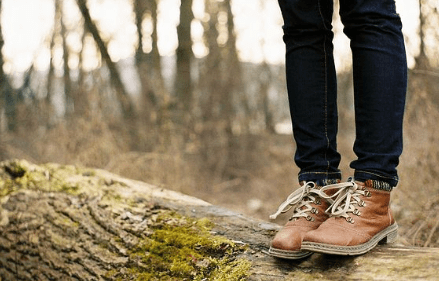
We know getting outside can be a tricky one in the middle of a global lockdown. Depending on current restrictions, you may have to split outdoor time into several short walks a day.
TIP 5: Still your mind.
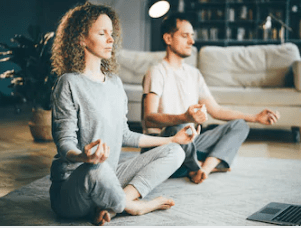
Create a ritual for ending the day and turning off your busy mind. After you have done everything that needs to be done, or more realistically everything that feasibly can be done today, flip the switch from on to off with a ritual. Turn off your phone for at least an hour before bed as it radiates blue light which impacts your sleep quality. Get into a cozy pajamas. Spend 10 minutes doing this sleep meditation.
 Ciara Byrne, PhD