If you find yourself doing lots of stress eating right now, we promise, you are not alone. Let’s talk about 3 easy steps to curb it.

You are likely self-isolated in your home, while there is a frightening and dangerous pandemic raging outside. You are separated from loved ones. You are trying to figure out working from home. Each day is one long ebb and flow of boredom, stress and loneliness. The highlights of the day may actually have become mealtimes.
If you find yourself gravitating towards the biscuit tin far more frequently than you know you should, you are certainly not the only one.
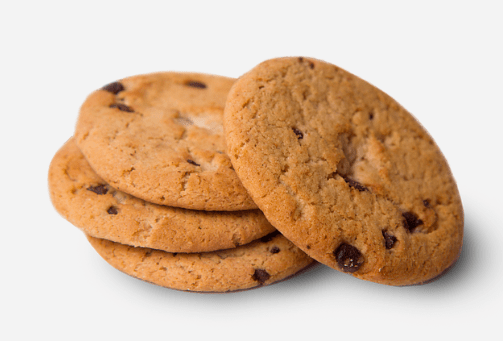
Let’s talk about the very natural urge to stress eat during this incredibly challenging time, and how best to manage it.
First of all, stress eating is real. Also known as emotional eating, it is defined as the act of eating in response to an emotional state, rather than hunger.
What we know by intuition is well supported by research: we eat more when we are under stress (2). There are psychological and biological reasons for eating when we feel stressed.

When we are overwhelmed by strong unpleasant emotions, eating makes us feel better, at least in the short term (3). Some people are more likely to binge, whereas others constantly graze throughout the day or night. Both are ways of soothing ourselves from feeling scared or lonely.
We also eat to distract ourselves from boredom. The reduced structure organizing our days under this lockdown have disrupted our routines, and now the kitchen is always right there in the next room!

The biological reason we overeat when stressed is that stress increases the secretion of cortisol, a hormone which results in increased appetite, and, in particular, craving for fatty and sugary foods (4).
So, now that we understand why we do it, let’s talk about what we can do about it.
—————————————————————————————————————-
Step 1: Choose Wisely
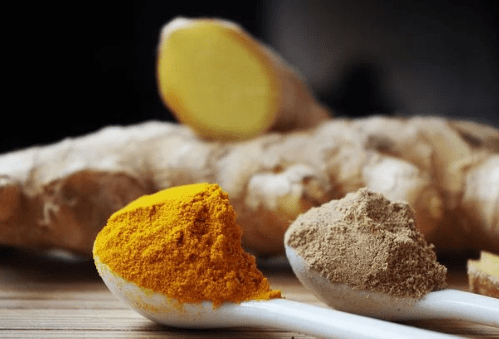
There are actually foods shown to reduce anxiety, and boost immunity (5).
- Vitamin C fruits and red bell peppers.
- Spices such as ginger, garlic, and turmeric.
- Add Zinc to your diet. Oysters, clams, mussels, cashews, liver, beef, and egg yolks are all rich in zinc.
- Magnesium-rich foods, such as legumes, nuts, seeds, leafy greens, and whole grains.
- Omega-3 fatty acids like salmon and other fatty fish.
————————————————————————————————————
Step 2: Eat Mindfully
Research has shown that “mindful eating” is effective in reducing the amount of “stress” food we consume (6).
Our guided exercise today will lead you through mindfully eating a piece of chocolate.
Warning: You will probably feel very silly doing this exercise.
—————————————————————————————————————
Step 3: Go Easy on Yourself
In fact, it may seem to contradict everything we have just said, but really it doesn’t. If you beat yourself up for the way you eat, and then try to restrict food later to make up for overeating, then you will continue to fuel that cycle. Accept that you will have bad days. We are in the midst of a world-wide pandemic for crying out loud! And when you do, be kind to yourself and move on. No need to make a song and dance out of it. Allow yourself permission to eat the foods you enjoy. Just eat them mindfully.
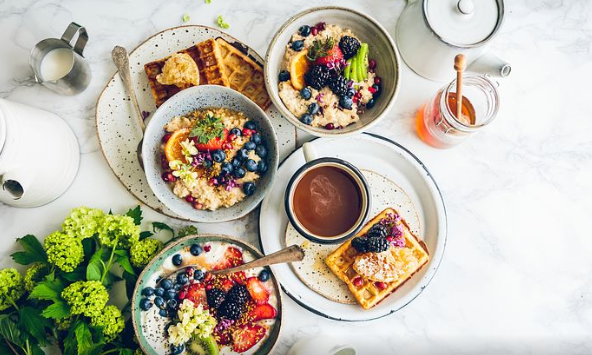
Now that you understand why you are gravitating to that biscuit tin more often, we hope that next time you do, you will take a few deep breaths and just eat one. VERY slooooooowly. And then let it go.
 Ciara Byrne, PhD